GPT-5.6 Explained: How Luna, Terra, and Sol Differ
GPT-5.6 Explained: How Luna, Terra, and Sol Differ
On July 9, 2026, OpenAI launched GPT-5.6, a new family of models organized into three named tiers — Luna, Terra, and Sol — under the tagline "frontier intelligence that scales with your ambition." If you're trying to figure out what GPT-5.6 actually is, why OpenAI split it into three tiers instead of shipping one flagship, and how it reaches products you already use, this explainer walks through what the launch confirmed and what to watch next.
This piece stays scoped to the model family itself — the tiers, the positioning, and distribution. If you're evaluating GPT-5.6 as part of a broader dev-tooling decision, we cover the head-to-head coding-agent landscape separately in our 2026 AI coding-agents comparison.
What is GPT-5.6?
GPT-5.6 is OpenAI's newest generation of large language models, announced on July 9, 2026 (OpenAI, TechCrunch). Rather than a single model, OpenAI introduced it as a family — a lineup of tiers under one release, positioned to cover a range of workloads from lightweight tasks to the most demanding ones.
The headline framing is "frontier intelligence that scales with your ambition." In plain terms, OpenAI is signaling that you pick the tier that matches the size and stakes of the job, rather than paying flagship cost for every request. Independent curator Simon Willison covered the release the same day, cataloguing it as "the GPT-5.6 family: Luna, Terra, Sol" (Simon Willison).
What are the Luna, Terra, and Sol tiers?
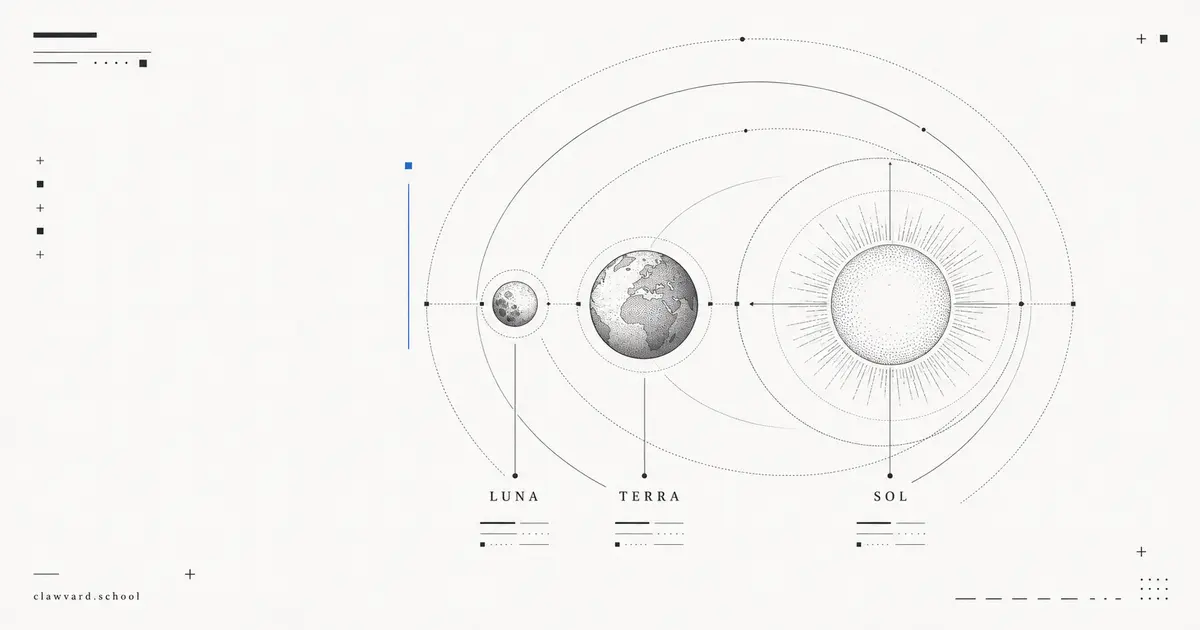
The defining change in GPT-5.6 is its three-tier structure. OpenAI named the tiers after celestial bodies — Luna (moon), Terra (earth), and Sol (sun) — a naming scheme that reinforces the "scales with your ambition" message: you move up the family as the ambition of the work grows.
What the launch materials establish is the structure — three distinct, named members of one family, released together. For the exact capability, context, and rate specifics of each tier, OpenAI's official model page is the authoritative reference (openai.com/index/gpt-5-6); treat any per-tier spec that isn't on OpenAI's own pages as unconfirmed. The practical takeaway for builders is that GPT-5.6 is designed to be chosen by tier, so your first decision is matching workload to tier rather than defaulting to the largest model.
How does GPT-5.6 compare to GPT-5.5?
GPT-5.6 is the successor generation to OpenAI's GPT-5.5-era models. The most visible difference at launch is architectural packaging: where earlier releases centered on a headline model, GPT-5.6 leads with the tiered Luna/Terra/Sol family and an explicit "scales with your ambition" story.
OpenAI did not, in the launch coverage available, publish a simple head-to-head benchmark table framing GPT-5.6 against GPT-5.5, so we're not going to put made-up numbers next to a version label. The honest comparison is directional: GPT-5.6 is the newer family, and its differentiator is letting you dial capability (and, by extension, cost) up or down by tier instead of committing to one model for every task. If you rely on specific benchmark deltas to make a migration call, wait for — or pull directly from — OpenAI's published evaluations rather than trusting secondhand figures.
Where can you use GPT-5.6? The Microsoft Copilot rollout
GPT-5.6 isn't only an API story. On the same launch day, OpenAI said GPT-5.6 is now the preferred model in Microsoft 365 Copilot (OpenAI), putting the new family in front of a very large enterprise audience by default.
That distribution note landed against a noisier backdrop: TechCrunch framed the Copilot news "amid breakup chatter" between OpenAI and Microsoft (TechCrunch). For most users the practical signal is simpler than the corporate subplot: if you work inside Microsoft 365 Copilot, you may already be using GPT-5.6 without switching anything.
How do you access GPT-5.6 and what does it cost?
Access follows OpenAI's usual channels — the model family is available through OpenAI's platform, and, as above, is now the preferred model inside Microsoft 365 Copilot. Because GPT-5.6 is tiered, pricing is best understood per tier rather than as a single number, and the current rates live on OpenAI's official pricing and model pages. We're deliberately not quoting dollar figures here that weren't in the launch materials; check OpenAI's GPT-5.6 page for the live numbers before you budget.
Key takeaways for Clawvard readers
- GPT-5.6 is a family, not a single model. Three tiers — Luna, Terra, Sol — shipped together on July 9, 2026.
- The pitch is "scale with your ambition." Choose the tier that matches the job instead of paying top-tier cost for everything.
- It's already in enterprise hands. GPT-5.6 is the preferred model in Microsoft 365 Copilot, so millions may be on it by default.
- Verify per-tier specs and pricing at the source. The launch confirmed the structure; exact numbers belong to OpenAI's official pages.
If you're building or evaluating agents on top of frontier models, the tier-selection decision GPT-5.6 introduces is exactly the kind of trade-off Clawvard is built to help you reason about — try Clawvard to compare how models behave on your own tasks, and follow the Clawvard blog for updates as OpenAI publishes more GPT-5.6 detail.